

A small spreading tree, with drooping branches; height, 5 to 8 metres; trunk girth, 85 cm; bark, rough, gray or dull black, irregularly cracked, covered with a thick layer of green moss in the case of older trees and, thus, looking green; branches, bearing at each node two spines, which are modified stipules; one spine is curved and the other is straight.
Uses:-These fruits are eaten by villagers. The wood of this plant is very hard and durable and is used in making agricultural implements. The leaves of this plant are used as a fodder for sheep and goats. The fruit is used as food and to make medicine. People use zizyphus for conditions such as diabetes, high levels of cholesterol or other fats (lipids) in the blood (hyperlipidemia), insomnia, and many others, but there is no good scientific evidence to support these uses.
| Family | buckthorn | Odour | Characteristic odour |
| Latin Name | Ziziphus sativa | Herb Extract Ratio | 3:1 |
| Sanskrit Name | Karkandhu | Water solubility | Water soluble 70% |
| Common Name | jujube, Unnab /Unnav | Alkaloid | Tannins : NLT 5% |
| Solvent Used | Water | Taste | sweet, apple-like flavor |
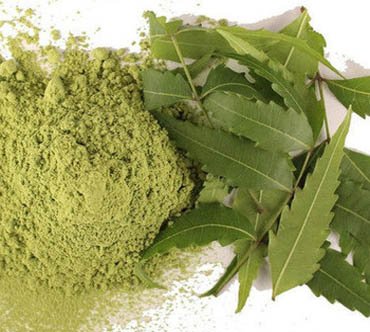
| Storage Condition | Store in a Dry and cool place in double PP bag with container. | Appearance | Greenish Powder |
The 13-Heptadecyn-1-ol (12.95%), 7-Ethyl-4-decen-6-one (9.73%), Lineoleoyl chloride (8.54%), Linoleic acid (6.37%), 2,5-Octadecadiynoic acid, methyl ester (5.57%) and Palatinol A (4.81%) were the highest abundant compounds out of total 20 compounds were identified in the Ziziphus jujuba seeds extract.

Amsar Pvt. Ltd. is a more than 50 years old company banking upon its experience in providing the Medicine and Ayurveda industry quality Ayurvedic Medicines, Herbal Extracts as well as Herbs.


Copyright © 2021 Amsar India Pvt. Ltd. All rights reserved. | Designed by DigiGo Infotech LLP
